
House Moving Service in Toronto: Your Complete Guide to a Stress-Free Move

A house move is the biggest move most people ever make, and it’s the one where the gap between “we’ll figure it out” and an actual plan costs the most. A condo move runs against an elevator clock and forces you to organize whether you like it or not. A house move has no such
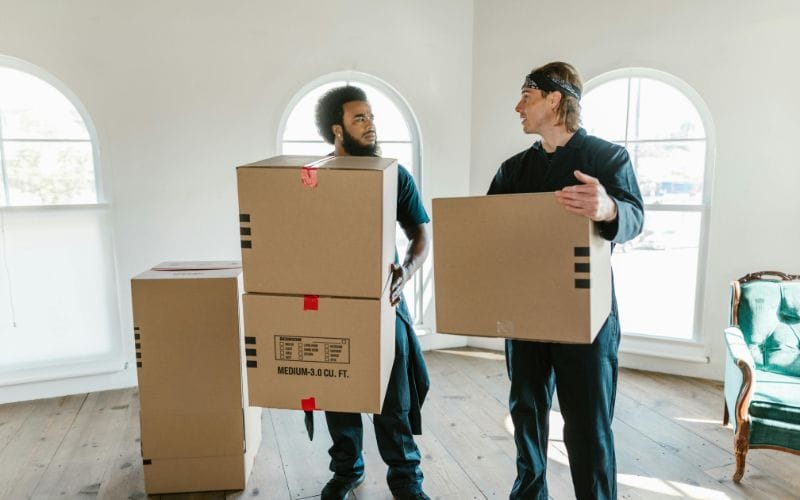
A house move is the biggest move most people ever make, and it’s the one where the gap between “we’ll figure it out” and an actual plan costs the most. A condo move runs against an elevator clock and forces you to organize whether you like it or not. A house move has no such guardrail. Nobody shuts you down at the two-hour mark, so an undersized crew or a half-packed kitchen can just quietly stretch the day from morning into the dark, and on an hourly job every one of those extra hours is your money. The house move that finishes on time and on budget isn’t the lucky one. It’s the planned one.
I’ve moved a lot of houses in this city, from tight downtown semis to wide suburban builds, and the pattern is always the same: the move goes about as well as the few weeks before it. So this is a real planning guide for a Toronto house move, the timeline that keeps it calm, the quirks of older homes here, what drives the cost, and the prep that actually saves you hours instead of just looking tidy. Moving Co. does house moves across Toronto, the GTA and the rest of Ontario, and we’d be glad to handle yours, but you’ll move better armed with the whole picture. Call 905-752-7787 or request a free quote whenever you want a straight number.
Start with an honest inventory, because a house holds more than you think
Before you book anything, walk your whole house with clear eyes, and I mean the whole thing. The reason house moves blow past their estimates more than any other kind isn’t the obvious furniture. It’s the volume nobody counts: the garage, the shed, the deep corner of the basement that hasn’t been touched since you moved in, the linen closet, the artwork, the TVs, the camping gear up in the rafters, the deck furniture, the second fridge. A house holds far more than it looks like it does, which is exactly why a quote based on “it’s a three-bedroom” so reliably turns into a bigger, longer, costlier day than promised.
The fix is simple and it pays off twice. Open every door, closets, the basement storage, the garage, the shed, and account for what’s actually in there, not what you picture from memory. This does two things. It lets you get a real quote instead of an optimistic one, because the mover is pricing the actual load. And it surfaces the single best money-saver in any house move: the stuff you don’t want to take. You’re paying to wrap, carry and haul everything in that house, so paying to move a broken treadmill, a dead couch and three boxes you haven’t opened since the last move is money lit on fire twice, once to move it, then again to get rid of it at the other end. A house move is the cheapest possible time to cut, and we can fold junk removal into the same visit so the cut pile is gone the same day.
A planning timeline that keeps a house move calm
You don’t need a colour-coded spreadsheet. You need a rough order of operations so nothing important lands on the last day. Here’s the timeline that works for most house moves in this city.
Six to eight weeks out: book the mover and the date
Good crews fill up, and month-end and weekends fill first because nearly every closing and lease flip in the GTA lands on the same handful of days. Get your written quote and lock your date early. This is also when you decide if you’re packing yourself or adding packing, because that changes both the price and your personal workload for the next month and a half. Booking early isn’t about being keen, it’s about having a choice of dates instead of taking whatever’s left.
Three to four weeks out: declutter and start on the rarely-used stuff
This is the window to do the cutting you identified in your inventory, and to start boxing the things you won’t miss between now and the move, out-of-season clothes, books, the contents of the basement and garage, anything decorative. Packing the rarely-used stuff now means the last week isn’t a panic. If you’re booking junk removal alongside the move, sort the cut pile now so it’s ready.
One to two weeks out: sort the logistics and the disconnects
Confirm parking at both ends, the closest legal spot for the truck, and if you’re downtown with no driveway, look into a temporary street-occupancy permit so the truck isn’t ticketed or towed mid-load. Arrange to have appliances disconnected: a gas range or a plumbed washer needs the right professional, not a crew standing around waiting on a plumber with the clock running. Book any building requirements if the new place is a townhouse complex or has an HOA that wants a certificate of insurance. Keep packing the everyday stuff, leaving out only what you genuinely need for the final week.
The last few days: finish packing and defrost the fridge
Everything boxed, taped and labelled by the room it’s going to. Defrost the fridge and freezer the night before so they’re not leaking across the truck floor onto your boxes. Set aside an “essentials” box you keep with you, kettle, chargers, medications, a change of clothes, the bedding for the first night, so you’re not digging through a stack of identical boxes at midnight in the new place. Pack the valuables, documents and jewellery to travel in your own car, not on the truck.
Move day: let the crew run it
If the weeks before went to plan, move day is mostly the crew’s job. The boxes are ready, the parking is sorted, the appliances are disconnected, and the mover already knew about the whole house. That’s the entire trick to a house move finishing close to its estimate. Your job on the day is to be reachable, point things to the right rooms, and do the final walk-through before the crew leaves.
Older Toronto homes have their own rules
A lot of this city’s housing stock is old, and old houses fight you in ways a new build never will. If you’re moving into or out of a century home, a Victorian, or any of the narrow downtown semis, plan for it, because the access is the whole job.
The usual suspects: narrow staircases with a tight turn at the top, where a modern sectional meets reality about two-thirds of the way up with everyone’s arms burning. Doorways built for smaller furniture and shorter people. Finished basements down a steep, twisting set of stairs with a low beam right where your head goes. Front porches with three changes in level between the door and the truck, and no driveway in sight. None of this makes a house unmovable. It makes it a job for a crew that carries the gear, hoisting and lifting straps, stair-climbers, dollies, and knows when taking a door off its hinges or popping a banister section is genuinely the only way a piece comes through.
There’s one wrinkle with the downtown stock that catches people out, and it’s worth flagging at the quote: a piece that came into the house years ago may not come out the same way, because houses get renovated and doorways get narrowed. The armoire that went up to a third-floor bedroom before the hallway was reframed, the sofa that arrived before the kitchen reno tightened the turn, these don’t come back out the door they went in. If you’ve got a piece you suspect was built in place or hauled in before a renovation, say so early so the route can be planned. Occasionally that means a window and a hoist. It’s a far better conversation to have at the quote than wedged on a landing on move day.
This is also why the same “three-bedroom” can be two completely different jobs. A wide build out in Vaughan or Markham with a double garage and a walkout is usually faster per cubic foot. A three-storey downtown semi with a hand-bomb up a porch and street parking a block away needs more hands for the carry. A good mover sizes for the house in front of them rather than the bedroom count on a form.
How long a house move takes, and what actually slows it down
An honest range: a one-bedroom is often a few hours, a typical three-bedroom is most of a day, and a big four- or five-bedroom with a finished basement, a garage and a long carry can run a full day or more. But the real answer is “it depends on the things that eat time,” and the good news is most of those are within your control. Here’s what slows a house move down, roughly in the order it bites.
- Packing that isn’t finished. This is the number-one cause of a move running long, by a distance. If the crew arrives and you’re still wrapping dishes and taping boxes, you’re paying movers to wait or to pack at moving rates, which aren’t packing rates. Have everything boxed the night before, or book packing so it’s done properly ahead of the truck.
- Parking and the carry. A driveway the truck can back into is fast. Street parking half a block away adds a carry to every single trip, and it compounds across a whole house. Sort the closest legal spot in advance, and downtown, look into a street-occupancy permit.
- Stuff that wasn’t in the plan. The garage you forgot to mention, the full basement, the shed, the second fridge. Every surprise is unplanned time and sometimes an unplanned second trip. This is exactly why the honest inventory up front matters.
- Stairs and access at the new place. A third-floor walk-up at the destination is always slower than a ground floor with a driveway. It’s not a problem, it just needs the right crew size, which is why a good mover asks about both ends, not only where you’re leaving.
- Appliances that aren’t ready. A washer still plumbed in, a gas range still connected, a fridge full of food and not defrosted. The crew can’t disconnect a gas line and shouldn’t stand around while someone does. Get the disconnects done before they arrive.
None of this is about rushing. It’s about not paying for avoidable hours. A move where the boxes are ready, the parking’s sorted, the appliances are disconnected and the mover knew about the whole house is a move that finishes close to the estimate.
What a house move costs, and how the pricing works
Most house moves around Toronto are priced on time: the crew size, the truck, and how many hours the job takes door to door. A handful of factors drive that number, and a straight mover tells you about all of them before you book rather than after.
- The size of the home. More rooms means more to wrap, carry and load, and a bigger crew and truck. Pricing a four-bedroom like a one-bedroom is how the lowball starts; the clock makes up the gap later.
- Access at both ends. Stairs, long carries, no driveway, street parking, an elevator at a townhouse complex. Every flight and every extra metre adds time. This is the factor a careless phone quote skips and then “discovers” on the day with a price attached.
- Heavy and specialty pieces. A piano, a safe, a pool table, oversized appliances, a slate-top anything. None of it is a problem, but it changes the crew and the time, so it belongs in the quote. A piano in particular is its own conversation, doable, but it needs the right people and gear, not a surprise at the door.
- Packing. Pack yourself and save, or have us pack the house and protect the breakables properly. Either is fine, and a good mover quotes it both ways if you want to compare.
- Distance. A cross-town house move is one number. Moving the household to another city or across the province is a long-haul move, priced on size and distance rather than by the hour.
The counterintuitive bit worth repeating: a bigger crew on an hourly job often costs less in the end, because four people moving in half the time beats two grinding all day. A mover worth hiring will tell you when the math favours the bigger team rather than quietly booking the smaller one and letting the hours run. What you don’t want is a quote built for a smaller, faster move than the one in front of you, with the clock and the “extras” making up the difference. Request a quote with your room count and the access at both ends and you’ll get a real number.
Prep that genuinely saves you money
Beyond finishing the packing, a few specific things tend to get missed and cost time at the new place if you skip them.
- Empty every dresser and drawer. A loaded dresser is heavy, awkward and hard on the drawer runners going down stairs. Boxed contents move faster and safer than a full chest of drawers.
- Take down curtains, mounted shelves and wall TVs. Or tell the crew and they’ll dismount the TVs. Either way, decide in advance so it’s not happening live on the day.
- Bag and label the hardware. The bed bolts, the wall anchors and the cam locks go into a labelled bag taped to the piece they belong to. Nothing eats time at the new place like hunting for the bag of bed bolts that wandered into a random box.
- Label boxes by room, clearly, on the side. Not the top, which you can’t read when they’re stacked. “Kitchen,” “Master bed,” “Basement.” This is what lets the crew unload by room instead of dumping everything in the front hall.
- Keep an essentials box and the valuables with you. First-night bedding, toiletries, chargers, medications, documents, jewellery. The one box you carry yourself is the one box that can’t end up at the bottom of a stack.
Why people pick Moving Co. for a house move
The pitch is simple: a price that holds, a crew that’s the right size and properly insured, and one company accountable for the job from start to finish. No brokers, no day-of surprises, no “we didn’t know about the stairs.” When you call us, you’re talking to the company that’s going to move you, not a call centre that sells your job to whatever crew is cheapest that morning and disappears the moment something goes wrong. If something needs assembling at the new place, we assemble it. If you’ve got one big piece going somewhere separately, that can be a single-item move. If it turns out you’ve got less than a full house, a small move might be the cheaper fit, and we’ll tell you so rather than overselling a crew you don’t need.
We move houses across Toronto, Mississauga, Brampton, Hamilton and the wider GTA, and out across Ontario when the household is heading further. See every area we cover on the locations page, or browse the full list of moving services if you’re not sure which one fits.
Frequently Asked Questions
How much does a house move cost in Toronto?
House moves are usually priced on time, the crew size, the truck, and how long the job takes door to door. The main drivers are the size of the home, the access at both ends (stairs, parking, long carries) and any heavy or specialty items like a piano or a safe. A one-bedroom is often a few hours; a large house can be a full day or more. We give a clear written estimate up front and explain what could change it. Request a quote with your room count for a real number.
How far in advance should I book a house move?
Six to eight weeks is comfortable, and more is better for month-end and weekends, when nearly every closing and lease in the GTA lands on the same days and the calendar fills first. Booking early gives you a choice of dates instead of whatever’s left. Tell us your date and we’ll check availability honestly, call 905-752-7787 and we’ll tell you straight whether we can fit it.
Can you handle an older Toronto home with narrow stairs and tight doorways?
That’s a big part of what we do here. Our crews carry hoisting straps, dollies and stair gear, and will remove a door or banister section when that’s genuinely the only way a piece comes through. Tell us about the tricky access when you book, the tight turn at the top of the stairs, the low basement beam, the piece you suspect won’t fit the door, so we send the right crew and equipment.
Should I pack the house myself or have you do it?
Either works. Packing yourself saves money and puts you in control of how it’s done; having us pack saves you days and protects fragile items properly. A lot of people pack their own boxes and have us handle just the kitchen and breakables, since that’s the part most likely to get damaged in a rush. We’ll quote it both ways if you want to compare the two numbers.
Can you move appliances like the fridge, washer and gas range?
Yes, we move and protect major appliances. For safety, anything on a gas or water line, a gas range, a plumbed washer, should be disconnected by the appropriate professional before move day so we’re not waiting on it with the clock running. Defrost the fridge and freezer the night before. We handle the carrying, wrapping and placement at the new house.
What’s the best way to save money on a house move?
Three things move the needle most. Finish all the packing before the crew arrives, so you’re not paying movers to wait. Cut what you don’t want to keep before the move rather than paying to haul it both ways, we can add junk removal in the same visit. And sort the parking and any appliance disconnects in advance. A move with the boxes done, the parking sorted and nothing left in the way lands close to its estimate.
A house move rewards a plan more than any other kind, and the plan starts with one honest conversation about what you’ve actually got. When you’re ready, tell us about your home and where it’s going, and we’ll give you a clear price, the right crew, and a date you can build around. Call 905-752-7787 or request your free quote.