
Moving From a Walk-Up Apartment in Toronto: What to Expect

Moving from a walk-up apartment in Toronto takes longer than an elevator move of the same size, because every box and every piece of furniture goes down the stairs by hand, one trip at a time. How much longer depends less on the floor number than on the staircase itself: its width, the turns at
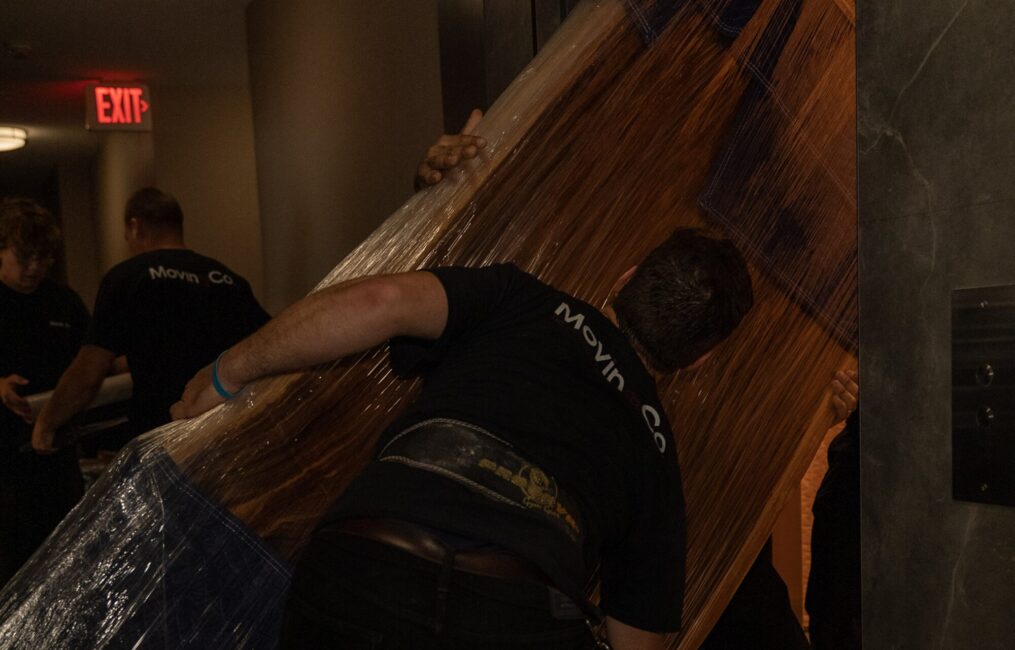
Moving from a walk-up apartment in Toronto takes longer than an elevator move of the same size, because every box and every piece of furniture goes down the stairs by hand, one trip at a time. How much longer depends less on the floor number than on the staircase itself: its width, the turns at each landing, and how far the truck sits from the street door. Stairs cost nothing extra with Moving Co., so the planning below is about keeping that time short.
What a walk-up apartment is
A walk-up, sometimes written walkup, is an apartment in a building with no elevator, so you reach your unit by the stairs. The Wikipedia entry on apartments notes that most low-rise apartment buildings are walk-ups, and that larger older houses are sometimes divided into apartments. Both are familiar sights in Toronto.
In practice, Toronto walk-ups come in three shapes. The first is the low-rise apartment building with a shared stair. The City’s fire safety guidance for low-rise residential buildings says these are prevalent in the older parts of the city and commonly hold at least three apartments, some of them sharing a common exit. The second is the flat above a shop on a main street like Queen, College, the Danforth or Roncesvalles, usually reached through a street door between two storefronts. The third is the house split into units, where the upper flat has its own interior stair or a set of steps at the side or back.
All three share the same moving-day facts: no elevator to book, no loading dock, a stair built for people rather than furniture, and a truck that usually has to stand on the street.
Why the staircase matters more than the floor number
A second-floor flat with a tight, turning stair can take longer to empty than a third-floor unit with a wide, straight run. What slows a carry is geometry: the width of the stair at its narrowest point, the number of turns, the headroom where it turns, and any door at the top or bottom that swings into the stair.
Boxes are rarely the problem, since one mover can take a box down almost any stair. Sofas, dressers, bed frames and desks are where the minutes go. Each one needs two people working the turn together, tipping it on end at the landing and walking it down without touching the walls. On a narrow stair nobody can pass, so one big piece on its way down holds up everyone behind it.
Then multiply by trips. Every box is a walk down and a climb back up, so each floor you live above the street adds a flight to every round trip. Over a full one-bedroom, that adds up.
The furniture that came up may not go down
This is the walk-up problem nobody sees coming. A sofa that went up years ago may not come down today. Since then someone may have added a handrail, swapped in a narrower door, boxed in a pipe at the landing or built a bookcase in place. Some pieces were carried up before a renovation tightened the stair, and some arrived flat-packed and were assembled in the room they now sit in.
Measure before moving day, not on it. Write down:
- The narrowest width of the stair, which is usually at a handrail or a turn.
- The headroom at each landing, where a tall piece has to be tipped up.
- Every door opening on the route, including the street door and any door at the bottom of the stair.
- The height, width and depth of your largest pieces and, for a sofa, its diagonal depth, which decides whether it can be tipped through a doorway.
If a piece won’t clear the route as it stands, the usual answer is to take it apart. Simple furniture disassembly and reassembly is included in our hourly rate, and complex disassembly is $25. Our furniture disassembly and reassembly service covers beds, wardrobes, desks and flat-pack pieces. Legs come off many sofas, bed frames come apart, and sectionals separate at their joins.
Beds deserve their own check. A mattress flexes enough to get around a tight turn; a box spring is a rigid frame and does not, which makes a queen box spring a frequent sticking point on a narrow stair. If yours went up before the handrail did, measure it like a piece of furniture. And measure the new place too, if it has stairs of its own: a sofa that comes down your old stair may still not go up the new one.
In some cases our crew can take a piece out through a window or over a balcony instead. We look at the window and the building first, because it isn’t always possible. When a piece can’t be taken apart and won’t fit, it is better to find out a week ahead, while you still have time to sell it, donate it or arrange its removal, than at the top of the stairs with the clock running.
How long a walk-up move takes
Our published typical hours are the right starting point: 1.5 to 2.5 hours for a studio and 2 to 4 hours for a one-bedroom with two movers, and 3 to 5 hours for a two-bedroom apartment with three movers. Stairs are one of the main reasons a move lands in the upper half of its range, along with the walk to the truck and how ready the apartment is. Our breakdown of how long a move takes in Toronto by home size goes through each factor.
Two situations stretch it further. Moving from one walk-up into another means stairs at both ends, so the carrying happens twice. Moving from a walk-up into a condo means the stair work at the start has to finish in time for the service-elevator booking at the end, so give us the elevator window when you book. We work inside your booked window and provide the certificate of insurance the building asks for.
What to tell your mover about a walk-up
A bedroom count makes every walk-up sound the same. “Third floor, narrow, two turns, street door opens inward, truck parks on Dundas” tells a crew far more than “third floor,” and these are the details worth gathering before you call:
- The floor you live on and the number of flights, including any steps outside the street door.
- Whether the stair runs straight or turns, and roughly how wide it is at the tightest point.
- Your three or four heaviest or bulkiest pieces, with their measurements.
- Anything that will need taking apart, especially beds, wardrobes and sectionals.
- Where the truck can legally stand, and whether a laneway or rear door is an option.
- The same details for the new address, including any elevator booking window.
- Who is doing the packing. If you hand it to us, packing service runs $50 an hour per packer.
A short video of the route from your door to the sidewalk covers most of that list, and the estimate you get back is built on your actual stair.
What stairs cost at Moving Co.
Nothing extra. Stairs and elevators are included in the hourly rate, which is $149 an hour for two movers and a truck on select non-peak dates; peak-period pricing may vary. Hourly moves have a one-hour minimum, then billing runs in 15-minute increments. The truck, blankets, dollies, straps and standard insurance are included, and you won’t see a separate truck fee, an in-city fuel surcharge, an equipment fee or a trip fee. The full list is on our pricing page.
So the stairs reach your bill in one way only: time. A third-floor walk-up takes longer to empty than a ground-floor unit, and you pay for the hours it takes, not a charge per flight. If your stair is steep or your furniture is heavy, ask about a third mover; that is quoted on the call. Walk-ups are booked like any other apartment move in Toronto, and the moving cost calculator gives you a rough figure before you phone.
If you are comparing quotes, read them line by line. Ontario requires a consumer moving contract worth more than $50 to be in writing, with a description of the services and an itemized list of prices, so a stair or flight charge from any mover belongs on its own line rather than turning up on the final invoice. The province’s guide to hiring a mover also notes that a mover cannot charge more than 10% above the estimate in your contract unless you need extra supplies or services and agree to the increase.
For a figure based on your own stair, request a quote. A quick video walkthrough of the apartment and the route to the street gets you a real estimate.
Parking the truck on a Toronto street
Walk-ups rarely have a driveway or a loading dock, so the truck goes on the street, and where it stands decides the length of every trip. The City allows moving vans to park on the street while they are actively loading or unloading, but drivers must still follow traffic regulations, parking restrictions and posted signs, according to its parking regulations. The signs matter. A No Parking zone allows a stop to load or unload merchandise. A No Standing zone only allows passengers to get in and out, and a No Stopping zone allows no stop at all. Parking within three metres of a fire hydrant is prohibited.
Main streets add their own rules. Many flats above shops sit on streetcar routes and busy arterial roads, and the City’s No Stopping zones include key downtown corridors and the areas near bus and streetcar stops, crosswalks and hydrants. The City and Toronto Police have run a rush-hour No Stopping enforcement blitz on key arterial routes, and a driver who stops in one of these zones can be ticketed, with the vehicle liable to be towed. Read the signs on your block for the hours they apply, and if the curb in front of your door is off limits at rush hour, plan the loading for the hours it isn’t.
Side streets have a different catch. Some residential streets are permit-parking streets, and the City’s temporary on-street parking permits are for those streets and restricted by vehicle type, so a moving truck generally does not qualify. Ask your landlord whether the building has a laneway door or a spot at the back, check the signs on both sides of the street, and tell us what you find. A truck that can stand at the door instead of down the block saves time on every trip.
Shared stairs, neighbours and the shop downstairs
In most walk-ups the stair is shared, and in older buildings it may be the only way out. The City’s fire safety guidance lists inadequate exits from second and third floors among the risks in this kind of housing, noting that two exits are required for those floors and are typically not provided. Toronto’s property standards bylaw also requires doors, passageways and exits to be kept clear of obstructions (Municipal Code Chapter 629, section 629-28). On moving day that means boxes stay inside your apartment until they are carried down, the landings stay empty, and the street door is propped open only while the crew is using it.
Give the people who share the building some notice. Tell your neighbours the date and the rough hours, and if a shop sits at street level, tell the owner too. A truck in front of their window and a door propped beside their entrance on a Saturday morning is easier to live with when they knew it was coming. Furniture goes down wrapped in moving blankets, which protects the walls and railings as well as the furniture, but a freshly painted stairwell with a tight turn deserves a word to the crew before the first carry.
Getting the apartment ready
Walk-up prep is ordinary moving prep with one extra goal: every load should be easy to carry down a narrow stair with one hand on the rail.
- Use small boxes for heavy things. Books, records, tins and tools go in small boxes. Save the big boxes for bedding, pillows and lampshades.
- Empty the dresser. A dresser full of clothes is heavier, and its drawers can slide out when it is tipped at a landing. Pull the drawers and carry them separately, or empty them and tape them shut.
- Take apart what you can, and bag the hardware. Put the screws and bolts for each piece in a labelled bag taped to that piece, and leave anything complicated for the crew.
- Clear the stair and the hallway. Shoes, mats, bikes, recycling bins and the plant on the landing all have to go before the first carry.
- Stage everything inside the door. Sealed boxes stacked inside the apartment near the door let the crew start carrying the moment they arrive.
- Keep valuables with you. Ontario’s advice for moving day is to move valuable items and personal documents yourself.
For wrapping the furniture itself, see our room-by-room guide to protecting furniture during a move. If you rent, our tenant move-out checklist for Toronto covers notice, deposits and keys.
Walk-ups in winter
Many Toronto walk-ups start with outdoor steps: the stoop of a house divided into flats, or the concrete steps up to a low-rise entrance. In winter those steps are the riskiest part of the carry. Clear and salt them the night before and again in the morning, and ask your landlord ahead of time who looks after them. Inside, wet treads from boots and dollies get slippery, so put mats or flattened cardboard at the bottom of the stair and at your apartment door.
Keep coats, boots and gloves out of the boxes, and leave slack in the schedule if snow is in the forecast. Our guide to winter moves in Ontario has more on moving in the cold.
How the day runs
On the day, walk the route with the crew before anything moves: your door, the stair, the street door and the spot where the truck is standing. Point out the fragile pieces, anything staying behind and the furniture you measured. Then let the crew set the order. Furniture goes down wrapped, pieces that need it come apart first, and boxes fill the gaps between the big carries.
Before the last trip, check the places people forget in walk-ups: the cupboard under the stairs, a shared basement locker, the balcony and the back of every closet. Hand over the keys only when the apartment is empty. If the new place is another walk-up, the stair work happens again in reverse. If it is a condo, the crew will be working to that building’s elevator window.
To book, or to ask about your stair, call (905) 752-7787. The line is open 24 hours.
Frequently Asked Questions
What is a walk-up apartment?
A walk-up apartment is a unit in a building without an elevator, so residents, and movers, use the stairs. In Toronto, typical examples are older low-rise apartment buildings, flats above shops on main streets such as Queen or the Danforth, and houses divided into separate units. Moving out of one means every item goes down by hand, so the stair’s width and turns matter more than the floor number.
Do movers charge extra for stairs in Toronto?
Moving Co. does not. A walk-up is billed at the same hourly rate as a ground-floor unit, $149 an hour for a two-mover crew with the truck, which applies to select non-peak dates, with peak-period pricing subject to change. Stairs affect your bill only through time, because a walk-up takes longer to empty. If another mover’s quote includes a stair or flight charge, it should appear as its own line in the written contract.
How long does it take to move out of a third-floor walk-up?
Our published planning ranges are a studio in 1.5 to 2.5 hours, a one-bedroom in 2 to 4 (two movers for each), and a two-bedroom apartment in 3 to 5 hours with three movers. A third-floor walk-up tends to land in the upper half of those ranges, especially with a narrow, turning stair or a truck parked down the block. A short video walkthrough gets you a real estimate.
How many movers do I need for a walk-up apartment?
Our published crew sizes are two movers for a studio or a one-bedroom and three for a two-bedroom apartment. Adding a third or fourth mover is quoted on the call, and it can make sense when the stair is steep, the furniture is heavy or the parking is far from the door. Describe the stair and your heaviest pieces when you ask, so the crew is sized to the job.
What if my couch won’t fit down the stairs?
Measure the stair at its narrowest point, the headroom at each landing and every door on the route, then compare them with the couch’s height, width and diagonal depth. Many couches clear once the legs come off, and sectionals separate at their joins. Taking apart a simple piece costs nothing beyond the hourly time, while complex disassembly is a $25 charge. If it can’t come apart and still won’t fit, decide early whether to sell, donate or remove it. In some cases our crew can take it out through a window or over a balcony instead, after looking at the window and the building first.
Can a moving truck park on a main street in Toronto?
Yes, within the rules. Toronto’s parking regulations let a moving van stay on the street while it is actively loading or unloading, but posted signs still apply. A No Parking sign allows loading and unloading of merchandise; a No Stopping sign allows no stop at all. The City’s No Stopping zones take in major downtown corridors plus the curb near transit stops, crosswalks and hydrants, so check the signs on your block and the hours they apply.
Will cold weather damage a mattress or a leather couch in storage?
For leather, the risk is less the cold itself than the swings in humidity that come with temperature changes. The Canadian Conservation Institute’s guidance on caring for leather notes that leather is among the fastest organic materials to react to humidity changes, that even moderate swings can split leather held taut, that humidity above 65% encourages mould, and that a 3°C change shifts relative humidity by about 10%. An unheated garage through a Toronto winter is a poor place for a leather sofa.
A mattress mainly needs to stay dry and clean, so bag it before it goes in. Our climate-controlled storage is monitored and inventoried, nothing goes to a third-party warehouse, and you pay only for the space and time you use. If you need something out before the move is finished, you can come and get it or we can bring it to you; just call ahead.
Should I hire movers for a walk-up or do it myself?
For a studio with light furniture and a couple of strong friends, doing it yourself is realistic. Once a sofa, a dresser and a bed frame have to come down a narrow, turning stair, the risk of a dropped piece, a gouged wall or a hurt back goes up quickly. Movers bring blankets, dollies and straps, and at Moving Co. stairs cost nothing extra, so the only thing the stair adds to the bill is time.