
How to Protect Your Furniture When Moving: A Room-by-Room Guide

A step-by-step guide to protecting furniture during a move: the materials you need, how to wrap sofas, wood, glass, mattresses and appliances, disassembly, floor protection, and loading so nothing get
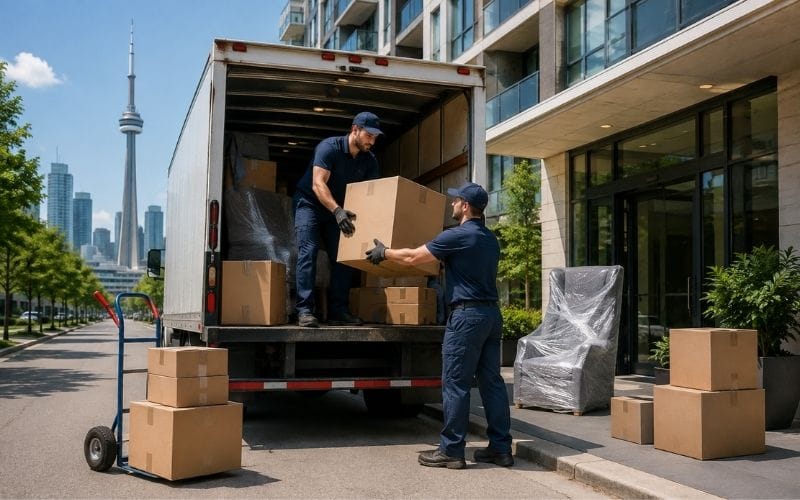
Furniture gets damaged in moves for three reasons: it is not wrapped, it is not secured, and it shifts in the truck. Fix those three things and the great majority of moving damage never happens. This guide covers exactly how, item by item, from the materials you need to the technique for each type of furniture, plus how to protect your floors and doorways and how to load a truck so nothing moves. It works whether you are doing the move yourself or just want to understand what a good crew should be doing with your things.
We move furniture every day, and the pieces that arrive damaged almost always tell the same story. A dresser loaded without a blanket rubs against the wall of the truck for two hours. A glass tabletop packed flat cracks under the weight of a box. A sofa arm catches a doorframe because nobody measured. None of it is bad luck. Each is a specific, preventable mistake, and this article walks through how to avoid every one of them. Read it before your move and you will know what protection looks like done right.
Why furniture gets damaged during a move
Before the how, it helps to understand the why, because it tells you where to focus. Furniture takes damage in four moments: when it is carried out of the home, when it is loaded, when it is in transit, and when it is carried into the new home. The carry is where you get scratches, dents, and doorframe collisions. Loading is where things get stacked wrong and crushed. Transit is where unsecured items shift, slide, and rub against each other over every bump and turn. And the second carry repeats the first. Protection has to cover all four moments, not just one, which is why wrapping alone is not enough if the load is not also secured, and securing is not enough if the pieces were never wrapped.
The materials you need to protect furniture
Good protection is mostly about having the right materials on hand before you start. Trying to improvise with bedsheets and duct tape is where damage begins. Here is the working kit, roughly in order of importance.
Moving blankets, sometimes called furniture pads, are the single most important item. These are thick quilted blankets that wrap around furniture to absorb impact and prevent scratches, and professional movers use them on nearly every piece. You want real moving blankets, not household blankets, and you want enough of them, which for a house move means dozens. Stretch wrap, the large rolls of clingy plastic film, holds blankets in place and keeps drawers and doors shut without leaving residue on the furniture itself. Bubble wrap protects fragile and finished surfaces, glass, mirrors, and screens. Corrugated cardboard sheets and corner protectors guard edges and corners, which is where most impact damage lands. Mattress bags keep mattresses clean and dry. Furniture straps or rope secure the load in the truck. Packing tape, a marker, and a few basic tools for disassembly round it out. If you are hiring movers, all of this should come with them, and if it does not, that tells you something about the mover.
How to protect a sofa and upholstered furniture
Upholstery is vulnerable to tears, stains, and crushing. Start by vacuuming the piece so you are not sealing dirt against the fabric. If the sofa has removable cushions, take them off and wrap or bag them separately so they are not bearing weight in the truck. Wrap the frame in moving blankets, covering the arms and back completely, then secure the blankets with stretch wrap. Here is the one rule that matters most with upholstery: never put stretch wrap directly against fabric or leather for a long move, because plastic against upholstery can trap moisture and cause mildew or discolouration over days in a truck. Blanket first, then plastic over the blanket. For leather especially, a breathable furniture pad against the surface is the safe choice. Once wrapped, plan to load the sofa on its end where the truck layout allows, which uses vertical space and reduces the footprint that other items could press against.
How to protect wood furniture: tables, dressers, and cabinets
Solid wood furniture scratches, dents, and loosens at the joints, and each needs a different defence. First, empty everything. Drawers and cabinets should be emptied so the piece is lighter and nothing slides around inside. You can leave soft, light items like clothing in dresser drawers to save box space, but never leave heavy or breakable items in them. Second, deal with the moving parts. Remove drawers and wrap them separately, or leave them in and secure them shut with stretch wrap around the whole piece, never with tape directly on the wood, because tape pulls off finish. Third, protect the surface and the vulnerable points. Wrap the whole piece in moving blankets, paying special attention to corners and legs, which take the most impact, and use corner protectors on anything with a fine finish. Table legs are a common casualty, so either remove them where the design allows and wrap them separately, or pad them heavily. For anything with a delicate or antique finish, a layer of clean paper or a furniture pad goes against the wood before the blanket, so nothing textured presses into the surface.
How to protect glass, mirrors, and marble tops
Glass and stone are where do-it-yourself moves most often go wrong, because these materials fail suddenly and completely. The rule is that glass and stone tops travel separately from their bases, on their edge, never flat. A tabletop laid flat will crack the moment weight goes on top of it, but stood on its edge and braced, it is far stronger. Tape a large X across the face of a mirror or glass panel with painters tape, which does not prevent breakage but holds the pieces together and reduces shattering if it does break. Then wrap in bubble wrap, sandwich the panel between sheets of cardboard, and label it clearly as fragile and glass on both sides. In the truck, glass and mirrors go standing upright against a flat wall, secured so they cannot tip, with nothing stacked against the face. Marble and stone are heavy and brittle at once, so they get the same edge-up treatment plus extra padding, and they are genuinely a two-person lift.
How to protect a mattress
Mattresses seem indestructible but they stain, absorb moisture, and bend permanently if handled wrong. Slide the mattress into a proper mattress bag to keep it clean and dry, which matters most on a rainy or snowy move day and on any long haul. Do not fold or bend a mattress, especially a spring or hybrid mattress, because bending can damage the internal structure and void some warranties. Carry it flat or on its edge, and in the truck store it flat against a wall or laid on top of other flat items, never used as a soft surface to stack heavy boxes on, which crushes it. A memory foam mattress can flex more than a spring one but still travels best flat or lightly on its edge.
How to protect appliances
Large appliances need preparation as much as protection. A refrigerator should be emptied, defrosted, and left to dry for a day before the move to prevent water and mildew, and once moved it should stand upright for a period before being plugged back in, because the compressor oil needs to resettle. A washing machine needs its drum secured, ideally with the shipping bolts if you kept them, so the drum does not swing and damage itself in transit. Disconnect, dry, and coil the hoses and cords and tape them to the appliance so they are not crushed or tripped over. Then wrap the appliance in moving blankets to protect the finish and secure the doors shut. Appliances are heavy and awkward, so they ride an appliance dolly, not a person’s back, and they load early and low in the truck where their weight is stable.
How to protect electronics and televisions
Flat-screen televisions are among the most commonly damaged items in a move because the panel is thin and the screen cracks under very little pressure. The gold standard is the original box, if you kept it, because it was engineered for exactly this. If you did not, wrap the screen face in a soft blanket or foam, then bubble wrap, then sandwich it between cardboard, and always transport a flat-screen upright on its edge, never flat, because a flat screen laid down can crack under its own weight or from any pressure on the panel. Photograph the cable connections before you unplug so reassembly is easy, bag the cables and label them, and keep the television standing against a padded wall in the truck with nothing leaning on the screen.
What furniture to disassemble before moving
Disassembly is protection, because a smaller, flatter piece is easier to wrap, carry, and load without damage, and it is far less likely to catch a doorframe. Take apart bed frames, which almost always must come apart to leave a room anyway. Remove table legs where the design allows. Take the shelves out of bookcases and cabinets. Detach mirrors from dressers. Remove the feet from sofas if they unscrew. As you go, keep the hardware for each piece in a labelled bag taped to that piece or kept in one clearly marked box, because the single most frustrating part of an unassisted move is standing over a bed frame with no idea where the bolts went. Photograph anything complex before you take it apart. Reassembly is the reverse, and it goes fast when the parts and hardware are organized, which is a large part of why professional furniture assembly and disassembly is worth having on a bigger move.
Protecting your floors, walls, and doorways
Furniture protection is only half the job. The building takes damage too, and floors, walls, and doorframes are expensive to repair, which is exactly why condo boards and landlords ask movers for insurance. Lay down floor protection along the main path, which can be rosin paper or ram board on hard floors and adhesive film on carpet, so dollies and feet do not scratch or track dirt. Pad the doorframes and any tight corners with moving blankets, because the doorframe is where a carried sofa or dresser most often gouges the wall. Protect the threshold and any stair edges. In a condo, this matters even more, because damage to a common hallway or the elevator is your liability, and the whole system of Certificates of Insurance exists to cover exactly this. Our condo and apartment moving guidance covers the building side in depth.
How to load a truck so furniture does not shift
Even perfectly wrapped furniture gets damaged if the truck is loaded badly, because transit is a long series of bumps and turns that push everything toward motion. The principles are simple. Load the heaviest items first and against the front wall, near the cab, to keep the weight balanced and low. Stand items like sofas, mattresses, and tabletops upright to save space and reduce the surface that can be pressed. Fill gaps so nothing has room to slide, using boxes and soft items as filler between hard pieces. Never stack heavy on fragile. And tie off the load in sections using the truck’s rails, so a wall of furniture is strapped in place before you start the next section rather than relying on everything staying put on its own. A tightly packed, strapped truck is a quiet truck, and a quiet truck is one where nothing shifts.
Protecting furniture on a long-distance move
The further your furniture travels, the more all of this matters, because a local move is a couple of hours of exposure and a cross-country move is days on the road with far more vibration and handling. On a long haul, wrap more thoroughly, secure more carefully, and pay special attention to moisture, since days in a truck in changing weather can raise humidity around unprotected wood and upholstery. Breathable padding against surfaces, not plastic directly on them, becomes more important over a long trip. And the case for a single crew that loads, drives, and unloads the same truck is strongest here, because every extra handling and every transfer between trucks is another chance for damage. This is why we run our long haul and cross-Canada moves end to end rather than transferring loads.
Doing it yourself versus hiring professionals
You can protect furniture well yourself with the right materials, time, and a second pair of hands, and for a small move that is often the sensible choice. Where the calculation changes is with heavy, awkward, or valuable pieces, tight staircases, and long distances, because those are where the risk and the physical difficulty rise together. A cracked television, a gouged hardwood floor, or a piano dropped on a stair costs far more than the difference between a professional move and a rental truck. The honest rule is that the more valuable and fragile your furniture and the harder the access, the more a trained crew with proper equipment and the right coverage earns its cost. For the middle ground, professional wrapping and packing on just the fragile and valuable items, with you handling the rest, is a common and cost-effective split.
Common furniture-protection mistakes to avoid
A few mistakes come up again and again, and knowing them is half the battle. Do not put tape directly on wood or upholstery, because it pulls off finish and leaves residue. Do not wrap leather or fabric tightly in plastic for a long move, because it traps moisture. Do not lay glass, mirrors, or televisions flat, because they crack under pressure. Do not leave heavy items in dresser drawers, because the weight stresses the joints. Do not skip floor and doorframe protection, because building damage is expensive and often your liability. Do not under-wrap corners and legs, because that is where impact lands. And do not load a truck loosely, because an unsecured load is the single biggest cause of transit damage. Avoid these seven and you have avoided most of the ways a move goes wrong.
Where to get the right packing and protection materials
Good protection starts with having proper materials, and the good news is they are easy to source in the Toronto area and across Ontario. Real moving blankets can be bought or rented from moving companies and home improvement stores, and renting is often the sensible choice for a one-time move since you need a lot of them. Stretch wrap, bubble wrap, corner protectors, and mattress bags are sold by moving-supply retailers, big-box hardware stores, and many movers directly. For boxes, you can buy new, but free used boxes are widely available if you ask at liquor stores, grocery stores, and bookshops, or through local buy-nothing and marketplace groups, which we cover in our guide to finding moving boxes. The one thing worth buying new rather than scrounging is the protective material that actually touches your furniture, the blankets and wrap, because a torn blanket or the wrong tape does more harm than good. If you hire a full-service mover, all of this comes with the crew, which is part of what you are paying for, so there is nothing to source yourself.
Protecting artwork, mirrors, framed pieces, and lamps
Art, mirrors, and lamps are among the most commonly damaged household items because they are fragile, oddly shaped, and easy to underestimate. For framed art and mirrors, tape a large X across the glass with painters tape to hold it together if it cracks, then wrap the whole piece in bubble wrap and sandwich it between two sheets of cardboard, or use a specialty picture box that adjusts to the frame size. Large or valuable pieces deserve a custom crate, which is standard for fine art on any serious move. Always transport framed pieces and mirrors standing on their edge, never flat, and never stacked with weight on top. Lamps come apart: remove the shade and the bulb, wrap the shade separately in packing paper inside its own box since shades crush easily, and wrap the base padded and upright. Lamp shades should never have anything packed inside or stacked on them. These small, awkward items are exactly the kind of thing professional packing handles well, because they take time and the right materials that are easy to skimp on when you are rushing.
Protecting furniture in winter and bad weather
A large share of moves in Ontario happen in cold or wet conditions, and weather adds its own risks to furniture that a fair-weather move does not have. Moisture is the main enemy: rain and snow can soak into unprotected upholstery and raise the grain on unfinished or unsealed wood, and the temperature swings between a warm home, a cold truck, and a warm destination can stress wood and cause condensation. So in winter, wrap more thoroughly, keep breathable padding against surfaces rather than plastic that traps condensation, and get items from door to truck quickly rather than letting them sit in the weather. Lay extra floor protection, because wet, salty boots track grit that scratches floors and stains carpet. Electronics deserve particular care in the cold, since bringing a cold television or computer straight into a warm room can cause condensation inside, so let them acclimatize before plugging in. Our guide to moving in winter in Ontario covers the weather side of move day in full.
A room-by-room prep timeline before the movers arrive
Protection is easier when the preparation is done before anyone starts carrying, so here is the sequence that sets a move up to go smoothly. In the week before, declutter and decide what is actually coming, because an unprotected item you do not need is wasted effort and risk. Two or three days before, start packing boxes room by room, keeping fragile items well cushioned and boxes filled so nothing shifts, and label each box with its room and contents. The day before, take apart what you can, the bed frames, the table legs, the shelving, and keep the hardware in labelled bags. On move day morning, before the crew or your helpers arrive, clear the pathways, lay floor protection, and have your blankets and wrap staged and ready. Set aside the box of essentials and the valuables you will carry yourself. Doing this groundwork means the actual carrying happens quickly and safely, which is when protection matters most, rather than being improvised around a half-packed home.
How professional movers protect furniture differently
It is worth knowing what a trained crew actually does differently, because it explains both where the value is and what to replicate if you move yourself. Professionals wrap first and carry second, so every piece is padded before it leaves the room rather than protected on the fly. They carry with technique, using their legs and coordinated timing and lifting straps to control heavy pieces, which prevents both injuries and the dropped-corner damage that comes from a tired grip. They protect the building as a matter of routine, laying floor runners and padding doorframes before anything moves, because they know the walls and floors take as much damage as the furniture. They load the truck as a deliberate system, heaviest and largest first, everything standing where it can, gaps filled, and the load strapped in sections so nothing shifts over hundreds of kilometres. And they bring the right equipment as standard, the dollies, ramps, straps, and volume of blankets that make the difference between a controlled move and an improvised one. The point is not that you cannot protect furniture yourself, because you can with the right materials and care, but that the professional result comes from doing all of these things every time as a practiced routine, which is what you are paying for on a move where the furniture is valuable or the access is hard. On a mixed move, having professionals handle just the heavy, fragile, and valuable pieces while you manage the rest is a common and sensible split.
Frequently asked questions about protecting furniture when moving
What is the best way to protect furniture when moving?
Wrap every piece in real moving blankets, secure the blankets with stretch wrap rather than tape on the surface, protect corners and legs with extra padding, disassemble what you can, and load the truck tightly so nothing shifts. Glass, mirrors, and televisions travel upright on their edge, never flat. Protecting floors and doorframes matters too, since building damage is expensive. Do those things and most moving damage never happens.
Should I use plastic wrap directly on my furniture?
Not directly on fabric, leather, or fine wood for a long move, because plastic traps moisture against the surface and can cause mildew or discolouration over days in a truck. Use a moving blanket or clean paper against the surface first, then stretch wrap over the blanket to hold it in place. Plastic wrap is fine for keeping drawers and doors shut when it goes over padding, not against the finish.
How do I move a glass table top without breaking it?
Transport it separately from the base and always on its edge, never flat, because a flat top cracks under any weight placed on it. Tape a large X across the face with painters tape to hold pieces together if it breaks, wrap it in bubble wrap, and sandwich it between sheets of cardboard. In the truck it stands upright against a flat wall, secured so it cannot tip, with nothing leaning on the face. Treat marble and stone tops the same way with extra padding.
Can I leave clothes in my dresser drawers when moving?
Light, soft items like clothing are usually fine to leave in drawers, which saves box space, but remove anything heavy or breakable, because the weight stresses the joints during the carry and in transit. Secure the drawers shut with stretch wrap around the whole piece so they do not slide open, and never use tape directly on the wood. For a long-distance move, emptying the drawers fully is safer.
How do I protect a flat-screen TV when moving?
Use the original box if you kept it, because it was made for the job. If not, pad the screen face, add bubble wrap, and sandwich it between cardboard, then always carry and store it upright on its edge, never flat, because a flat screen can crack under its own weight or any pressure on the panel. Photograph the cable connections before unplugging, bag and label the cables, and keep the television standing against a padded wall in the truck with nothing against the screen.
Do I need to disassemble furniture before moving?
Disassemble what you reasonably can, because a smaller, flatter piece is easier to wrap and carry and far less likely to catch a doorframe. Bed frames almost always must come apart, and removing table legs, shelves, and mirrors reduces both risk and bulk. Keep the hardware in a labelled bag taped to each piece, and photograph anything complex before taking it apart so reassembly is straightforward.
How do I stop furniture from shifting in the moving truck?
Load the heaviest items first against the front wall to keep weight balanced and low, stand sofas and mattresses upright to save space, fill gaps with boxes and soft items so nothing can slide, never stack heavy on fragile, and strap the load in sections using the truck’s rails. A tightly packed, strapped truck is one where furniture cannot move, which prevents most transit damage.
Is it worth paying professionals to protect and move my furniture?
It depends on the furniture and the access. For a small move of modest pieces, doing it yourself with the right materials is reasonable. For heavy, fragile, or valuable furniture, tight staircases, or long distances, a trained crew with proper equipment and coverage usually earns its cost, because a single cracked television, gouged floor, or damaged antique costs more than the difference. A common middle ground is professional wrapping on just the fragile and valuable items.